


Heavily Greebled: From the Depths of the Universe to Those of the Spirit
In 2024, in an interview on CBC promoting the fourth volume of his internationally renowned graphic novel series, Walter Scott announced the end of Wendy’s adventures. While The Wendy Award plunges readers into a new cycle of mishaps, as she faces the challenges imposed by success on the fictitious life of an ambitious and sensitive artist, it’s important to recognize that Wendy—just like her creator—has also conquered the real contemporary art world1.
In the meantime and far from the public eye, another character has taken shape in Scott’s studio. Started in 2020 in close collaboration with producer Lindsay Allikas, Organza’s Revenge introduces a new protagonist and a new playing field: science fiction. Extending the narrative universe of the emblematic Wendy, this unclassifiable film has allowed Scott to explore fresh areas of autofiction, which are both intergalactic and deeply emotional. Awarded by several film festivals since its release in 2024, Organza’s Revenge is now presented to the visual art world2. How might we spatialize this uniquely strong and humorous short film in an exhibition? How might we bring Organza, like Wendy, to museum and gallery viewers? This is the challenge we took on at Fonderie Darling with the exhibition Heavily Greebled, which embodies our enthusiasm for this wacky and insightful story that examines the somatic effects of trauma along with notions of acceptance, forgiveness, and revenge.
Although the two characters exist independently, understanding the origin of Organza nevertheless requires a return to Wendy. In 2016, as part of the Wendy Book Club, Scott wrote a sci-fi script featuring a character named Xendy, a futuristic version of Wendy. During the discussions, an idea emerged: to transform the story into a film and make a transition from the medium of comics to that of cinema. As the puppets started to take shape and the project developed, a need to move away from the iconic Wendy became apparent. Xendy thus became a new character: Organza. Although the story remains inspired by some autobiographical fragments and cultural stereotypes already present in Scott’s universe, Organza nonetheless opens the door to a different emotional register: more vindictive, sharper, and even deliberately cruel at times. Organza—a somewhat bitter artist with a broken heart—presents a new horizon of possibility through a reimagined subjectivity.
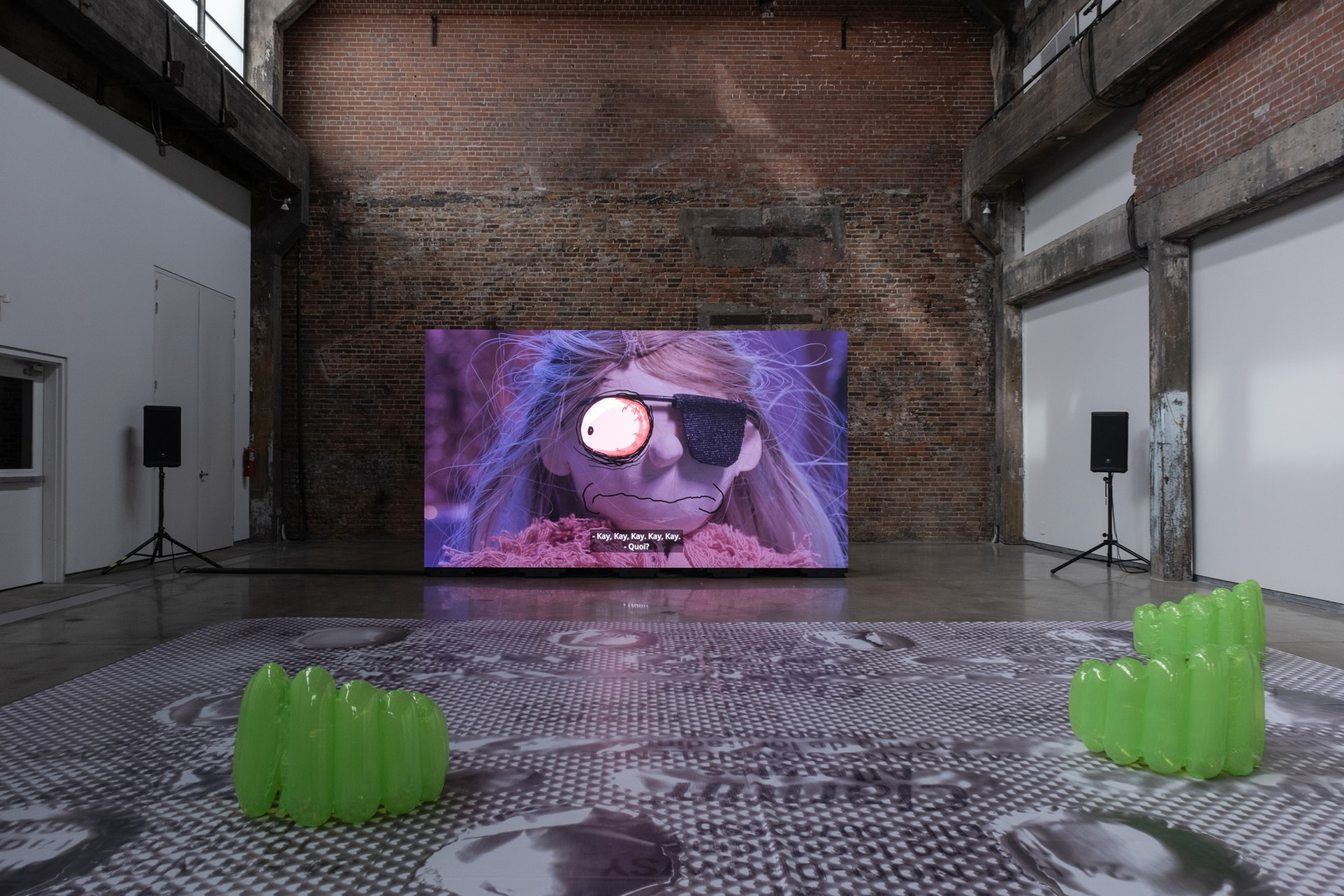
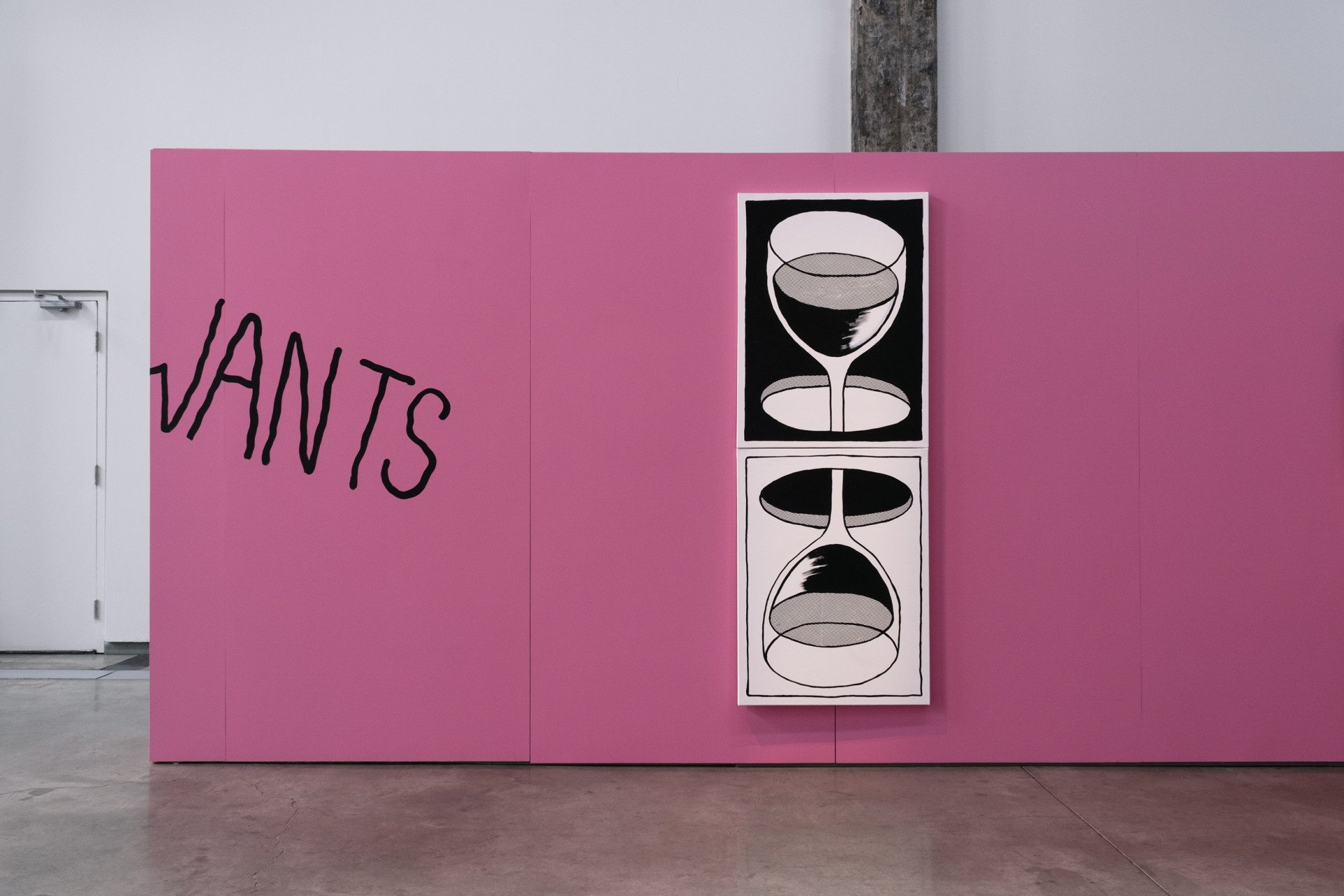
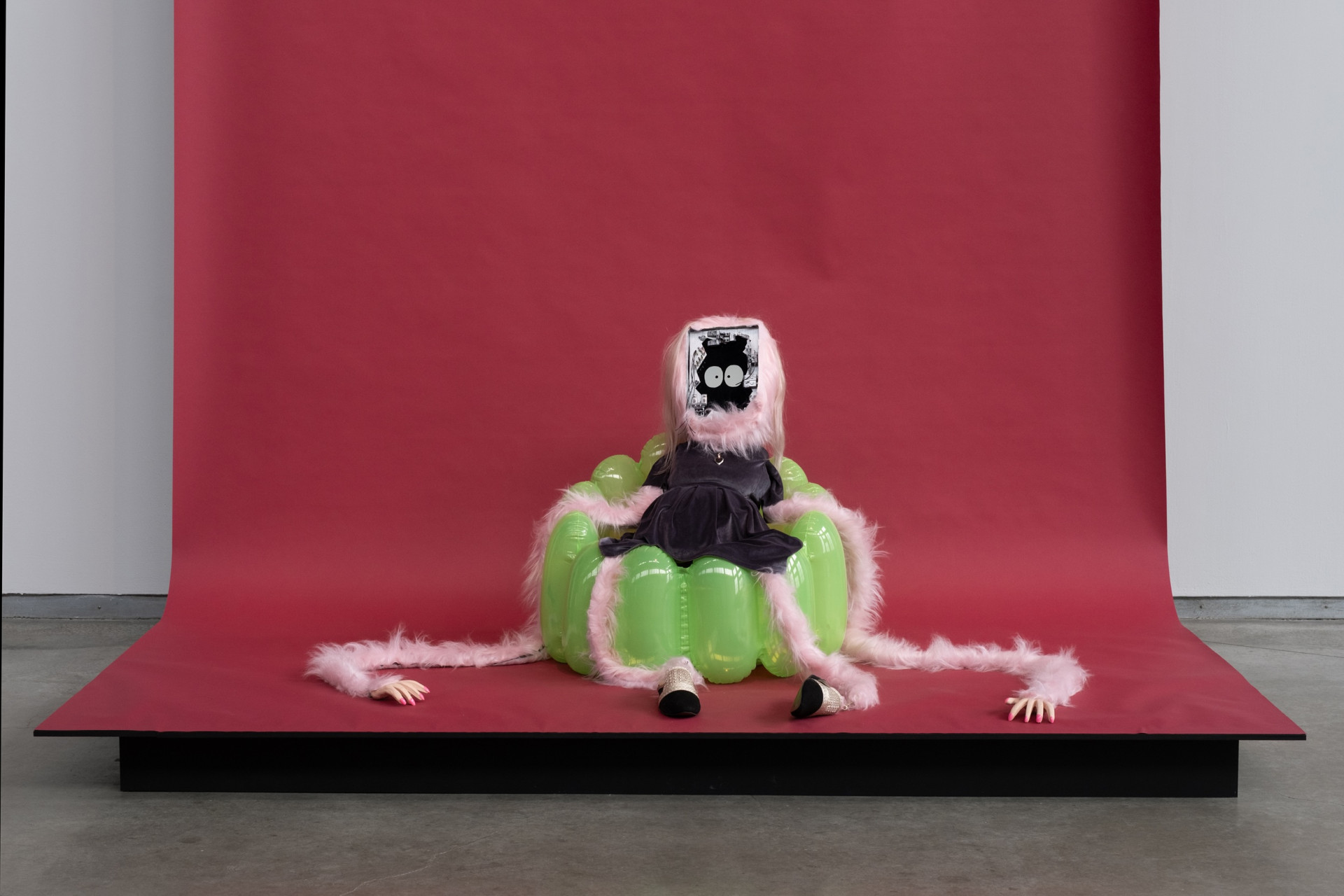
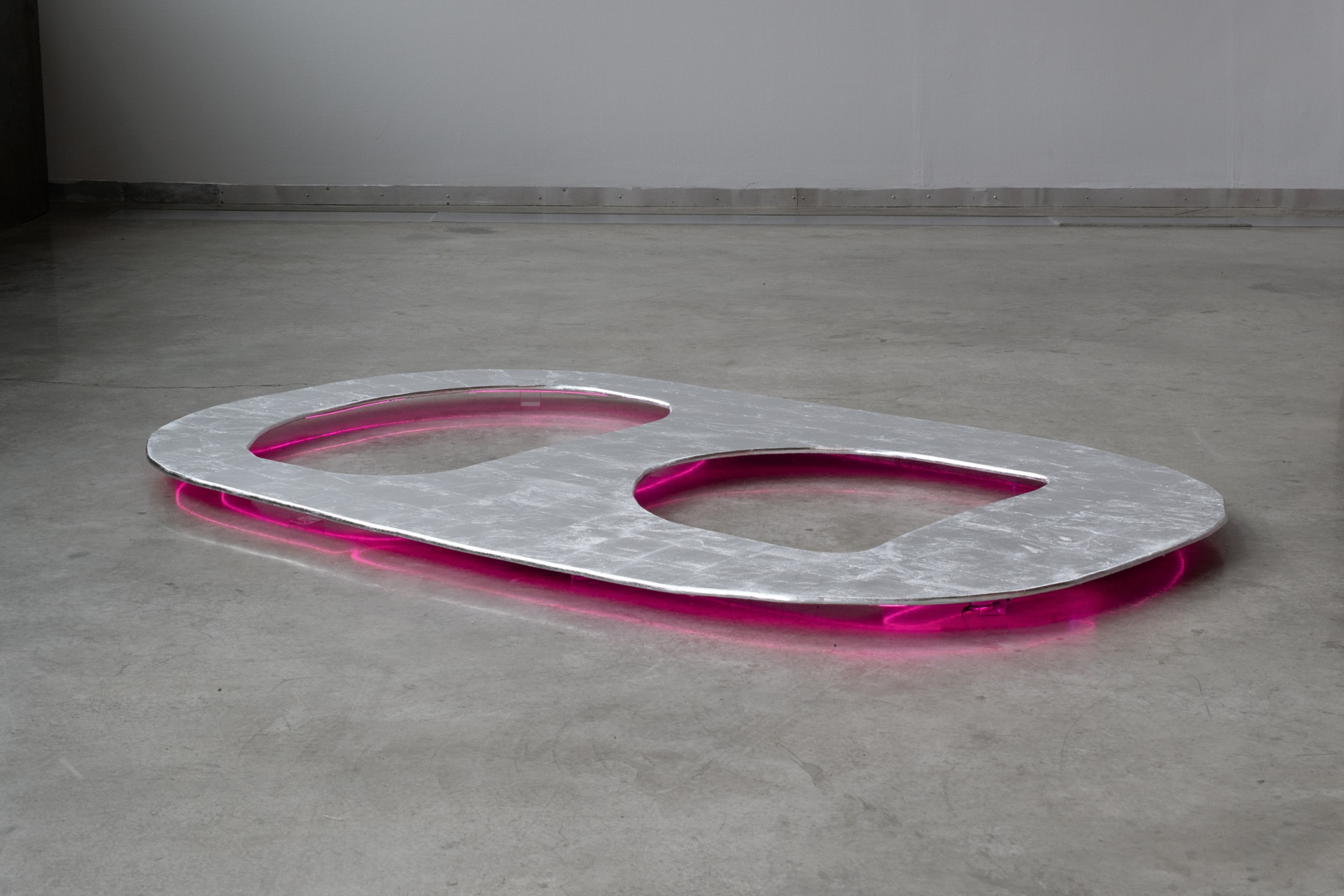
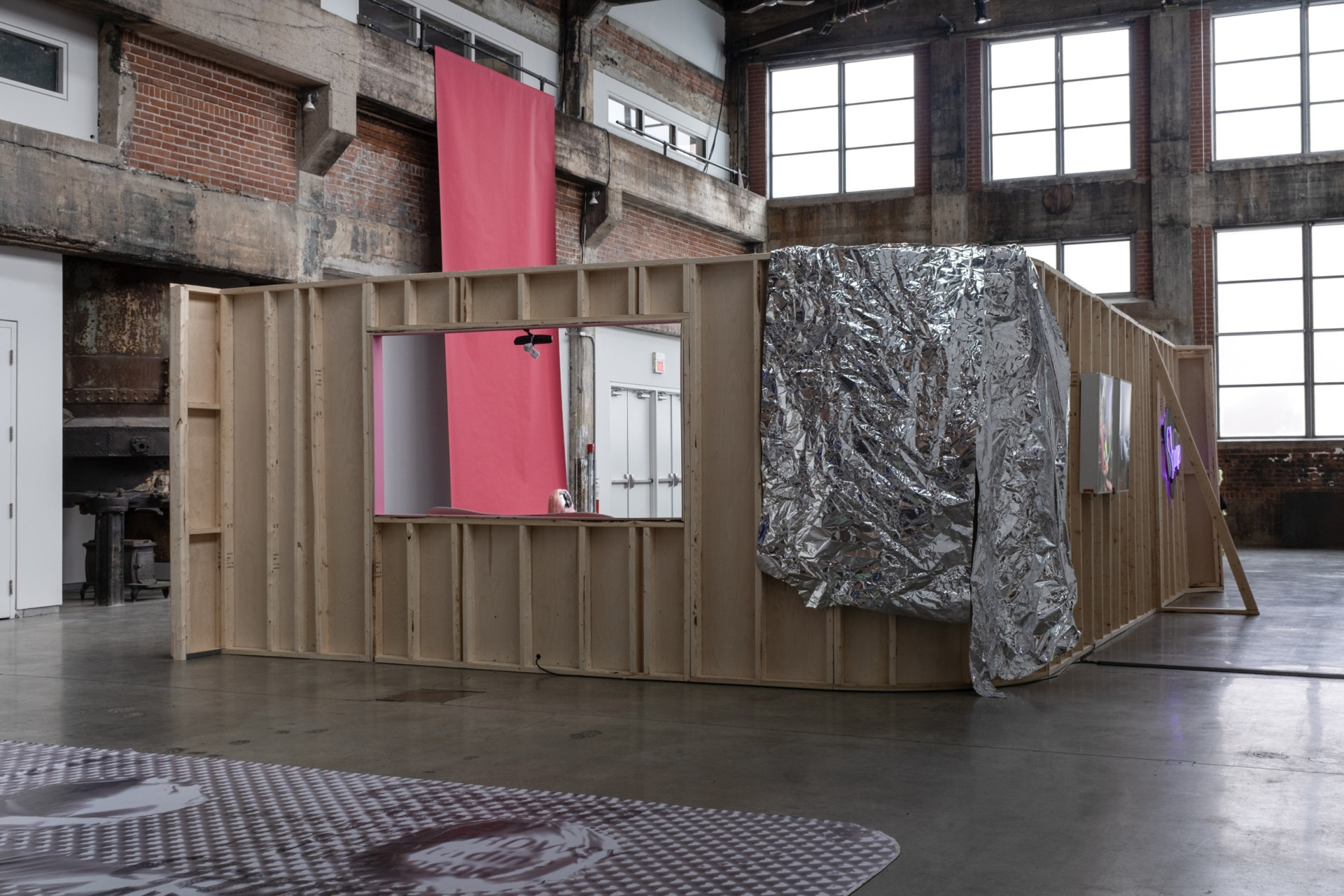
Organza’s Revenge marks Scott’s bold transition from comics to film, while also preserving the DIY, sensitive, and incisive aesthetic that characterizes his work. Situated somewhere between animation and real cinematography, the film features puppets whose faces were animated in postproduction and that move through sets constructed out of an eclectic array of materials. The exhibition’s title, Heavily Greebled, refers directly to greebling, a special-effects technique consisting of assembling random objects to create the illusion of mechanical complexity. At Fonderie Darling, Scott transposes into space the aesthetic emblematic of the 1990s geek television culture. Strewn with niche references to cult series such as MTV’s Liquid Television and Mystery Science Theater 3000, the environment created by Scott gives visitors the impression of shrinking in order to enter inside the spaceship, accompanied by neon-green plush puppets. A relationship develops between a giant pack of pills, miniature inflatable seats, an enormous beer pull tab, and life-size objects, creating an unusual play of scale and a surreal uncanniness. Other set elements, such as the kombucha-pink walls, evoke the film’s colours and textures and sow seeds of doubt: Are we inside a spaceship that has crashed into a kombucha sea or inside a body? Is this an intergalactic or internal voyage?
Even though the spatiotemporal markers remain intentionally nebulous, one thing is certain: the art world appears as a performative and relational space, in which the artist, plagued by constant doubt, is tormented by her own or others’ success. During stopovers on Planet Kombucha and at Club Affect or even through the spaceship radio, Organza confronts figures representing success according to the most cliché standards: her ex-lover is an art world superstar, a former schoolmate has become an intergalactic pop star, and her new friend abandons her art practice to become a famous costume designer. While hanging out with these various characters, Organza tries to understand their chronic pain and discontent by following the dubious and sometimes deadly advice of her naturopath.
Scott has often mentioned that although his characters are inspired by reality, the stories he constructs are not. Influenced particularly by the artist Kathy Acker and her way of deconstructing traditional narrative structures, Scott uses a clearly strategic writing, which allows him to avoid the pressure of an artwork’s gravitas as well as the austerity of certain theoretical discourse. Through autofiction and embodied experience, he aligns with a tradition of feminist and queer voices that use subjectivity as a critical method in contemporary art. Grounding the story in the universe of science fiction offers a dual freedom: nothing is possible, but everything is true.
For Scott, the choice of names and words is crucial. They add a layer of humour and provide certain clues to interpreting the story, sometimes even double meanings or foreshadowing elements. The name of the spaceship, The Grievance, reflects the sense of injustice that Organza feels in relation to her ex-lover, a relationship that, years later, continues to cause pain and resentment. Organza’s name evokes the character’s internal agitation: a visceral discomfort manifested through physical pain that has a psychological and emotional origin. Scott brilliantly masters non-verbal codes, a register that is even more remarkable here since it is created by faceless puppets animated in postproduction. The choice of expressions and vocabulary also mock an exaggerated culture of care and well-being that is often contradictory in its injunctions. The generally confused use of gender-neutral pronouns, the normalized inability to pronounce Indigenous names, or the problematic power relationship that can exist in collaborations between curators and artists are tackled head-on. Scott’s often dark humour proves to be both powerful and critical, showing a survival strategy in response to the complex political and relational dynamics of the art world. Even though Organza’s healing ultimately comes through acceptance and forgiveness, the exhibition draws on a fierce nonchalance to express, with subtlety, anger and vulnerability.
Milly A. Dery
Translated by Oana Avasilichioaei
1Scott has explored the world of this now iconic character through painting, sculpture, and video animation and presented work in major contemporary art institutions. Furthermore, he has been a finalist for many prestigious awards, including the Sobey Art Award in 2021.
2Organza’s Revenge has won a number of awards, including the Emerging Canadian Filmmaker Award at the Inside Out Film Festival (2025) and the People’s Choice Award for Best Canadian Short at the Vancouver Queer Film Festival (2025).
This exhibition is made possible thanks to the support of our partner: